Breskens, 21.09.2026
Als ik thuis ben. Altijd op zoek naar sporen. Ik weet het, het verleden komt nooit terug, maar een glimp ervan brengt soms even dat gevoel van toen.
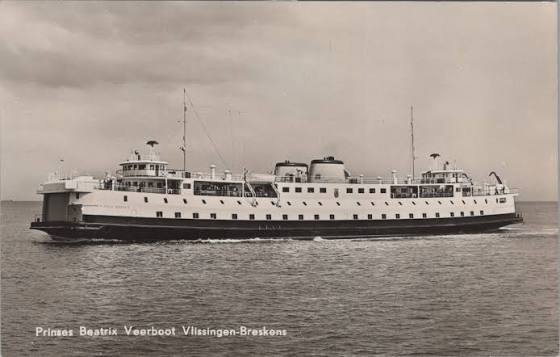
Ik was nooit meer op het veerplein in Breskens geweest, daar waar de veerboten van de PSD (Provinciale Stoombootdienst) naar Vlissingen vertrokken. En wat blijkt: het plein ligt er nog. Waar je vroeger in de rij stond te wachten nadat je kaartje was afgestempeld, kun je nu gewoon gratis parkeren.
En het verleden ontmoet er het heden.
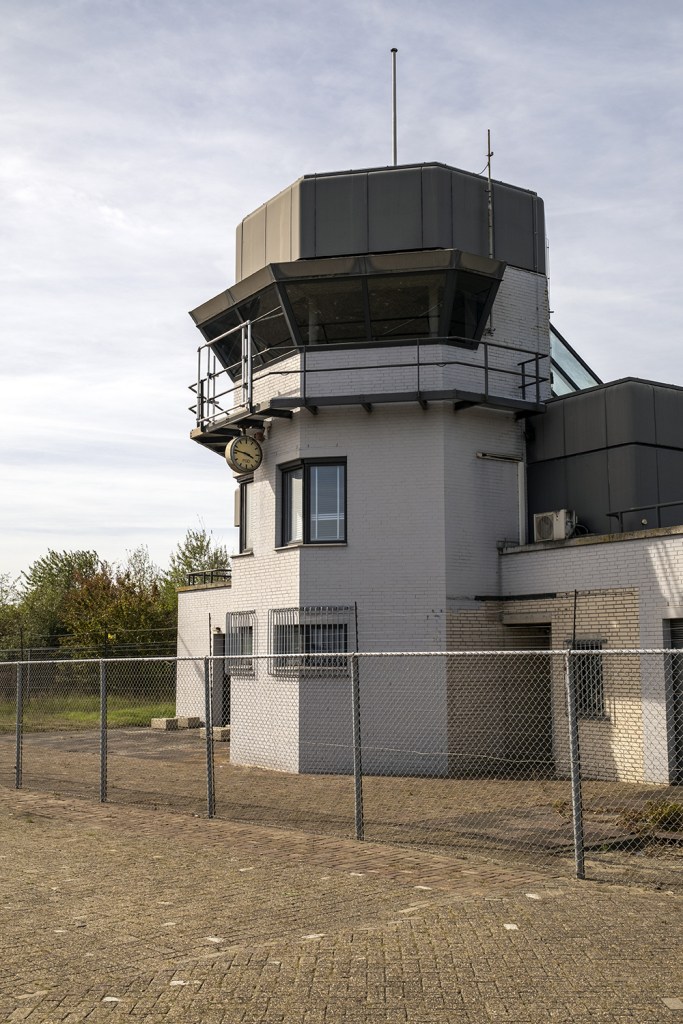
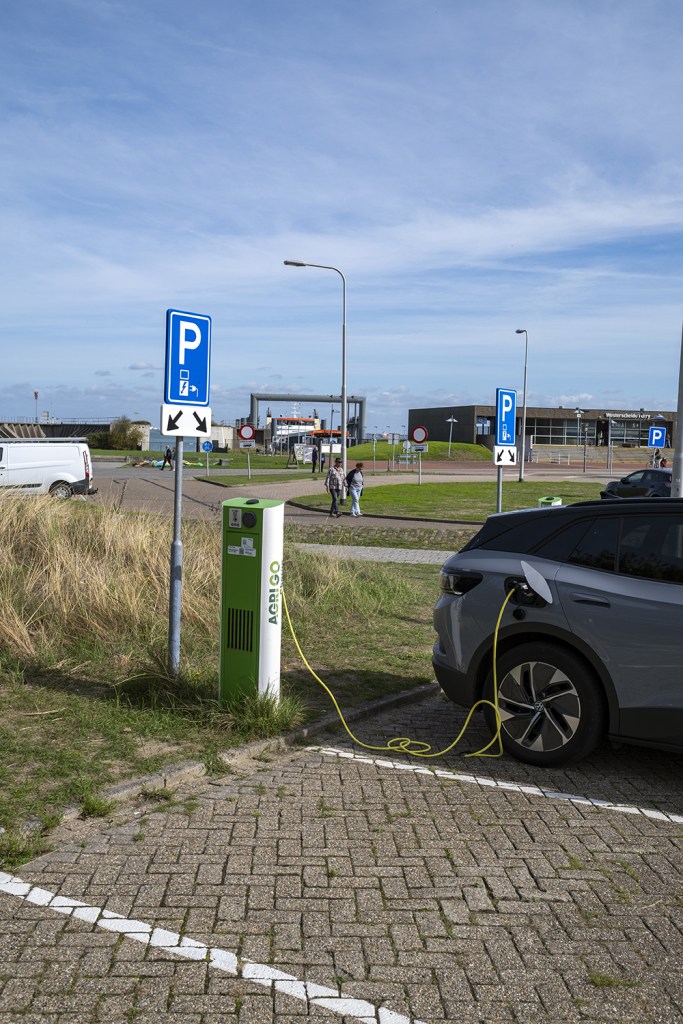
In de schaduw van de bewaard gebleven controletoren staan nu laadpalen voor elektrische auto’s.
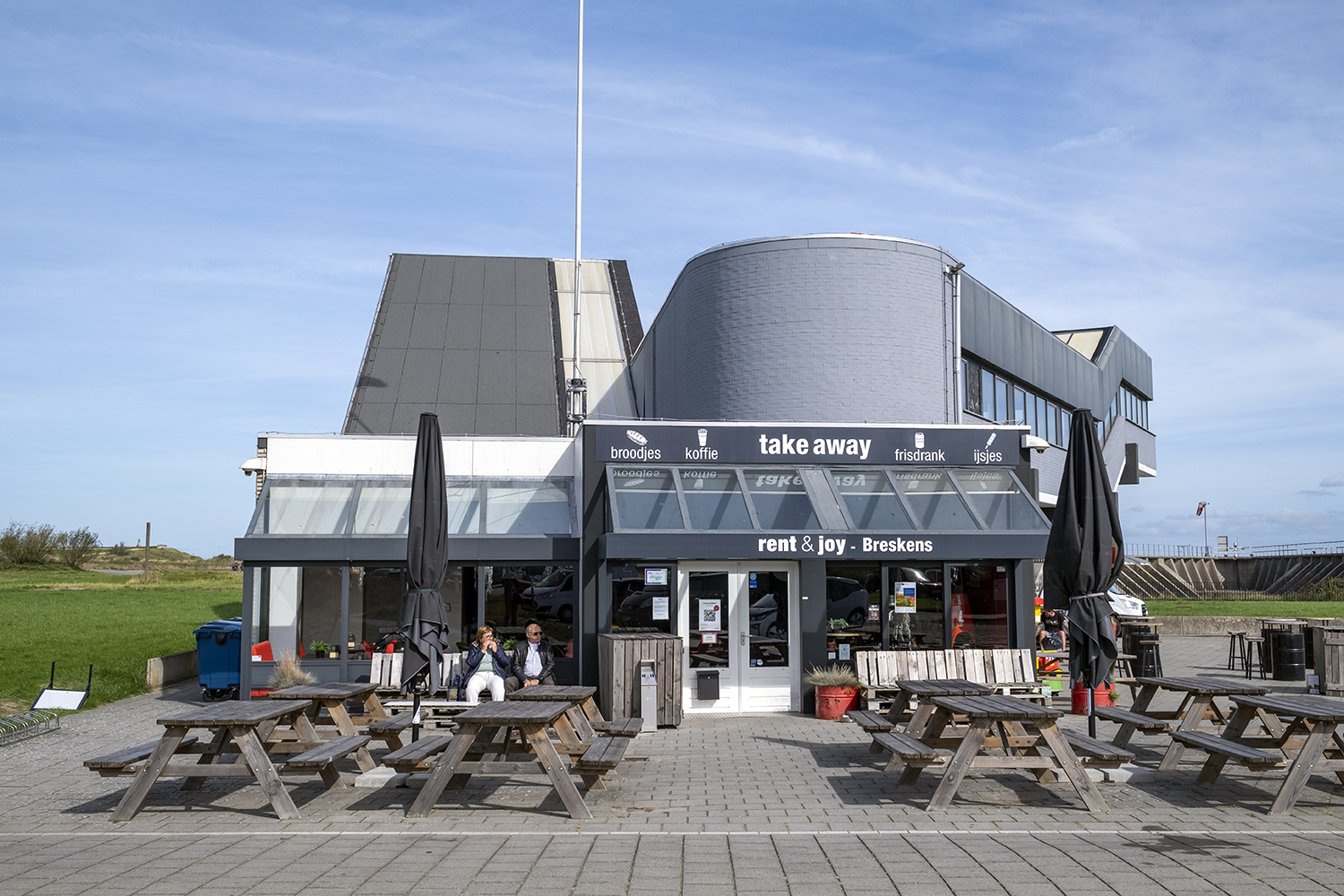
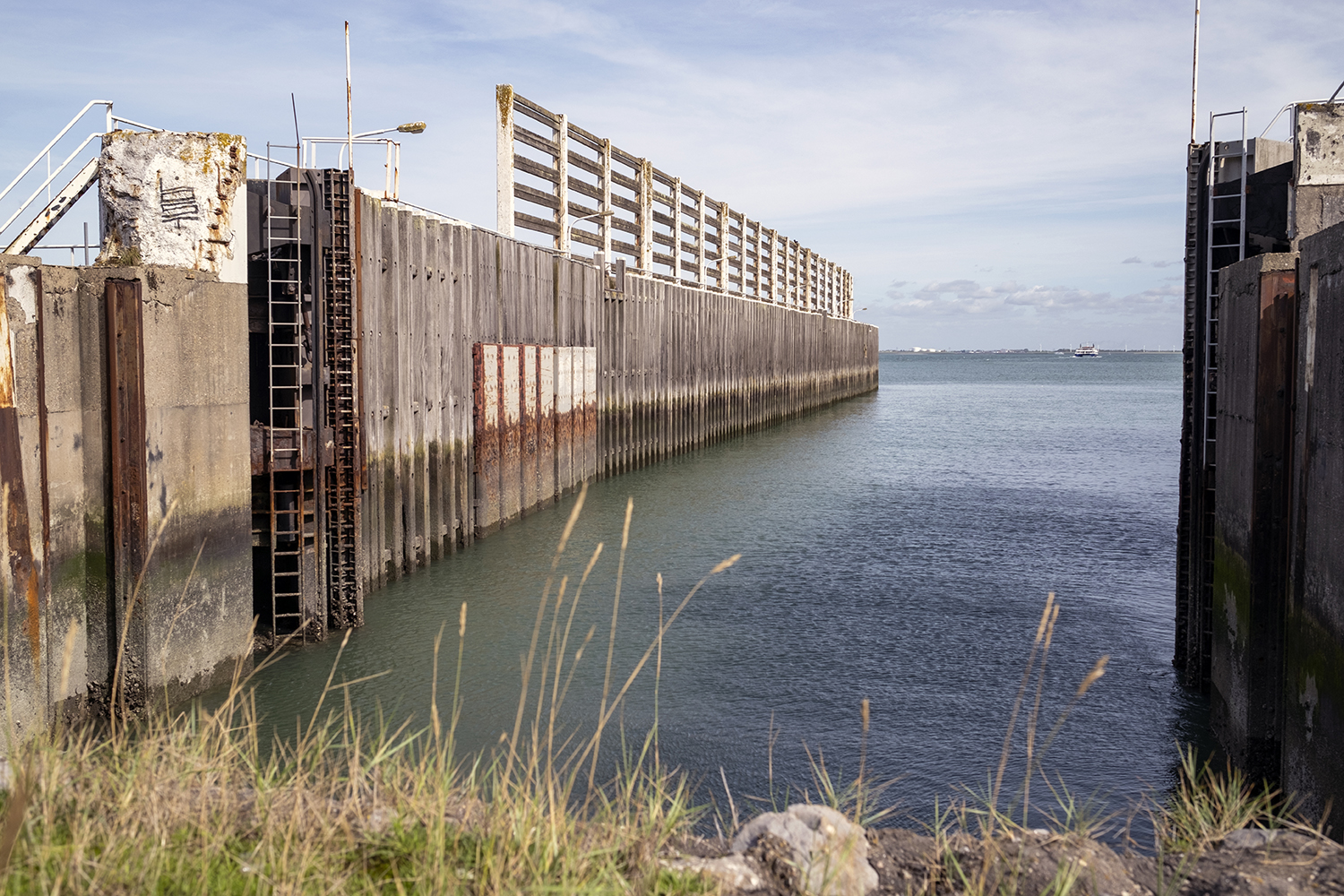
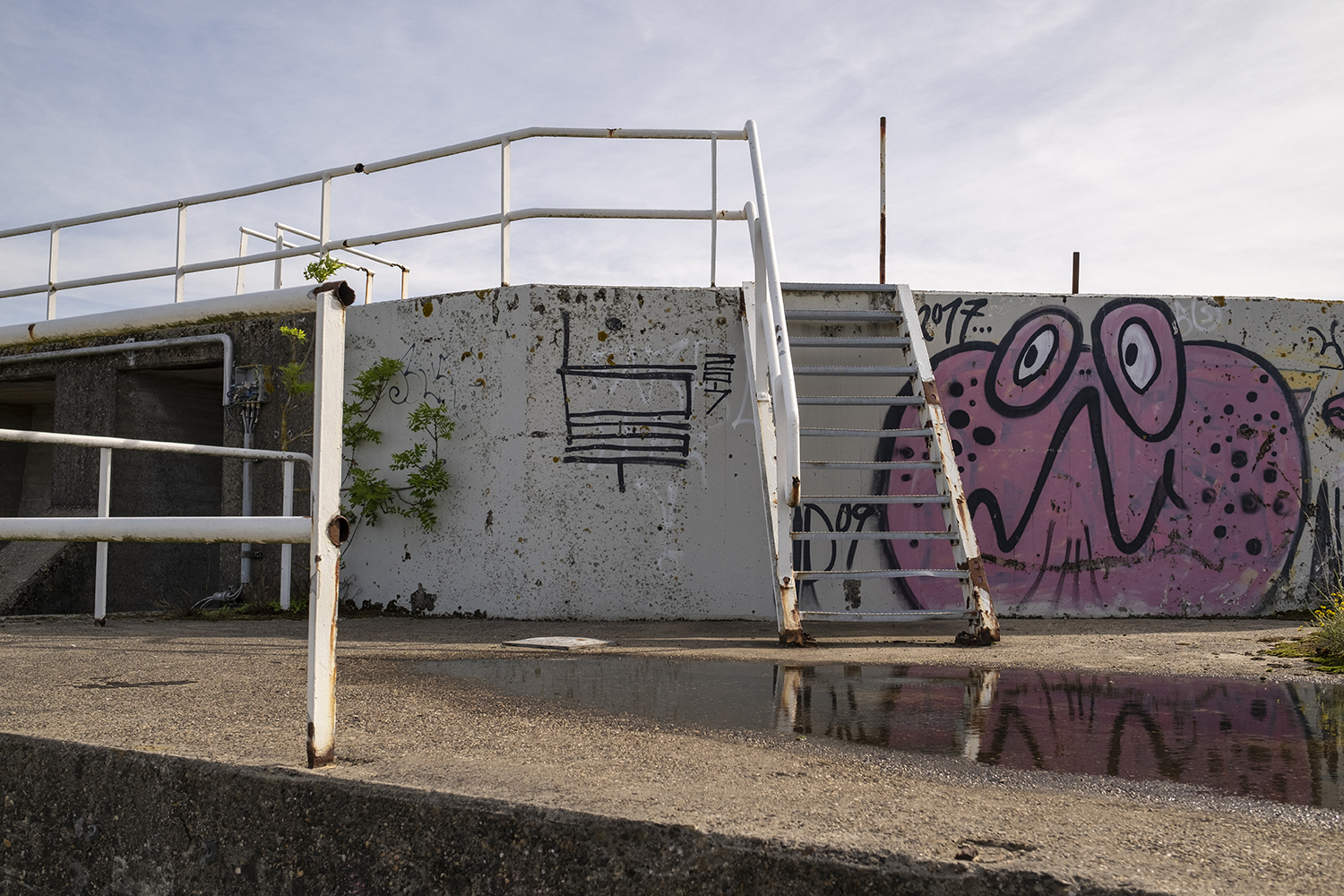
En zelfs de dubbele aanlegplaats van de veerboten is er nog. Ik slik even. In de terminal van waaruit voetgangers en fietsers vroeger de brug opliepen om aan boord te gaan, zit nu een bar annex snackbar. Er worden ook fietsen verhuurd. In het hoogseizoen. Nu is alles gesloten. Jammer, ik had wel een broodje kroket gelust.
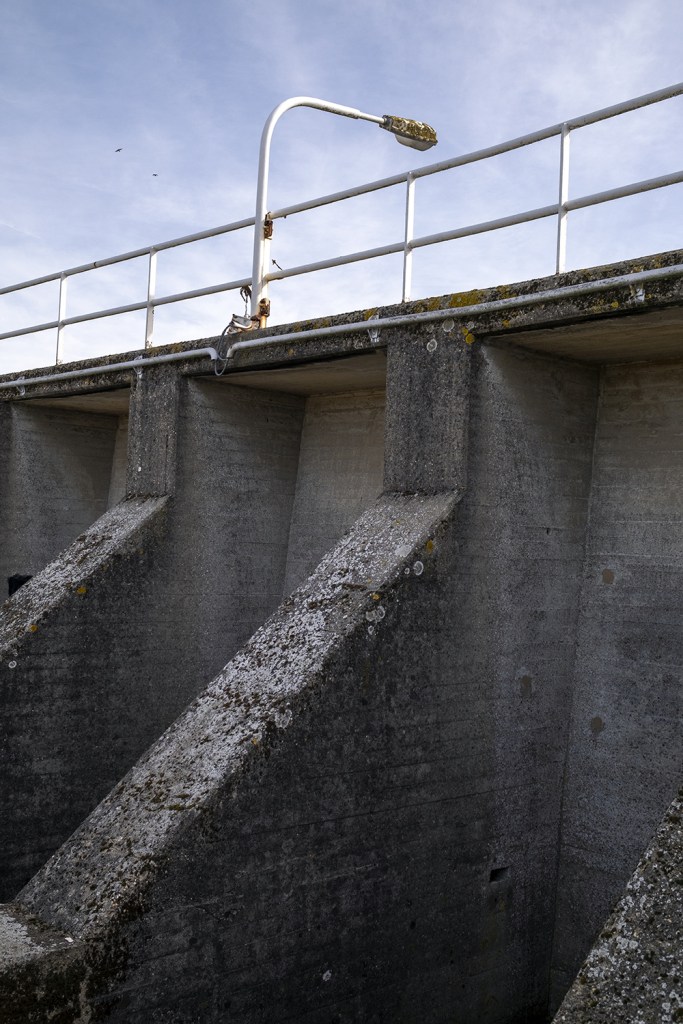
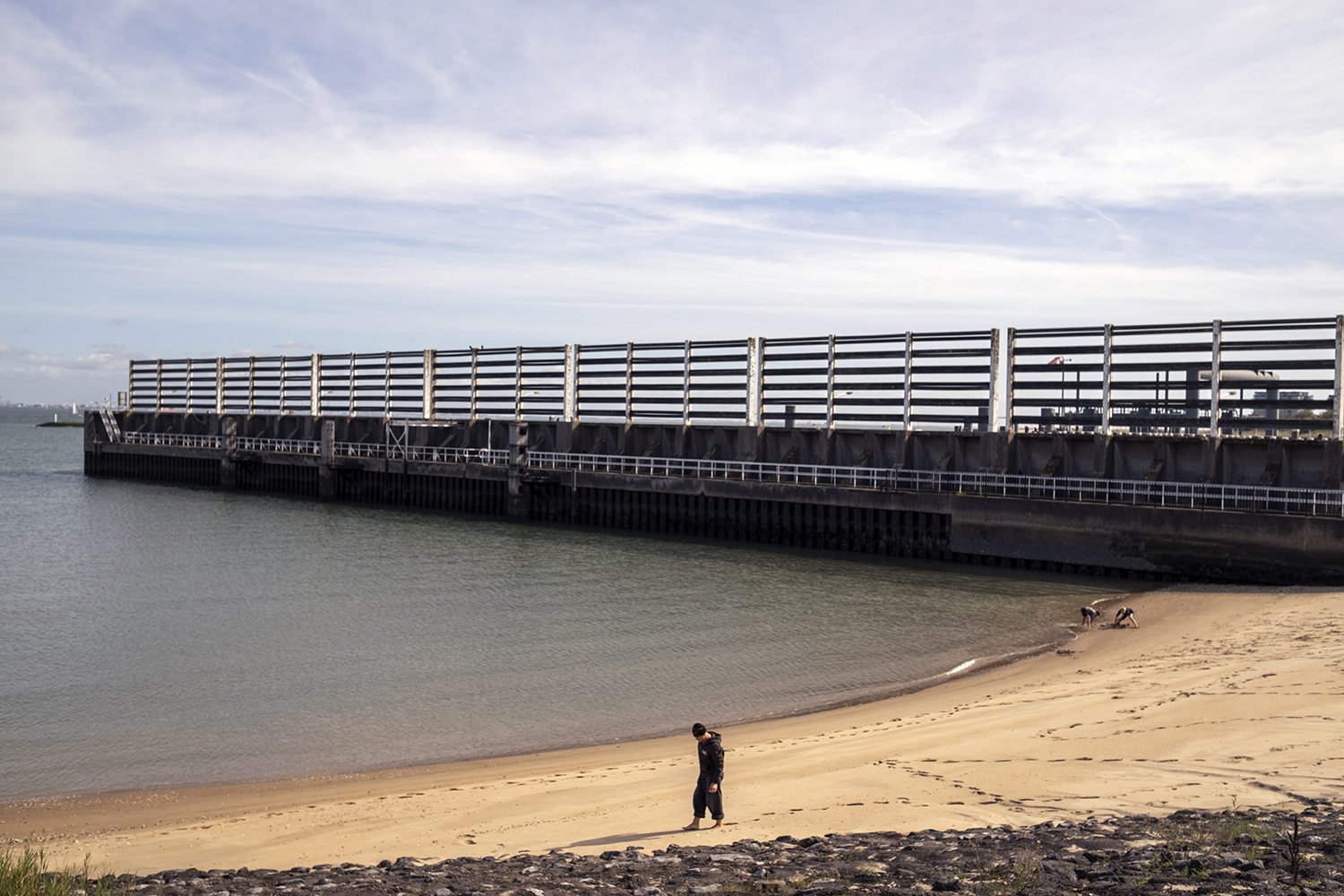
De betonnen fuik, de enorme houten palen die als buffer dienden tussen staal en beton. Luid kermend bij harde wind, wanneer de boot schuin naar binnen voer. Het staat er nog. Het hout, het houdt. Geschiedenis.
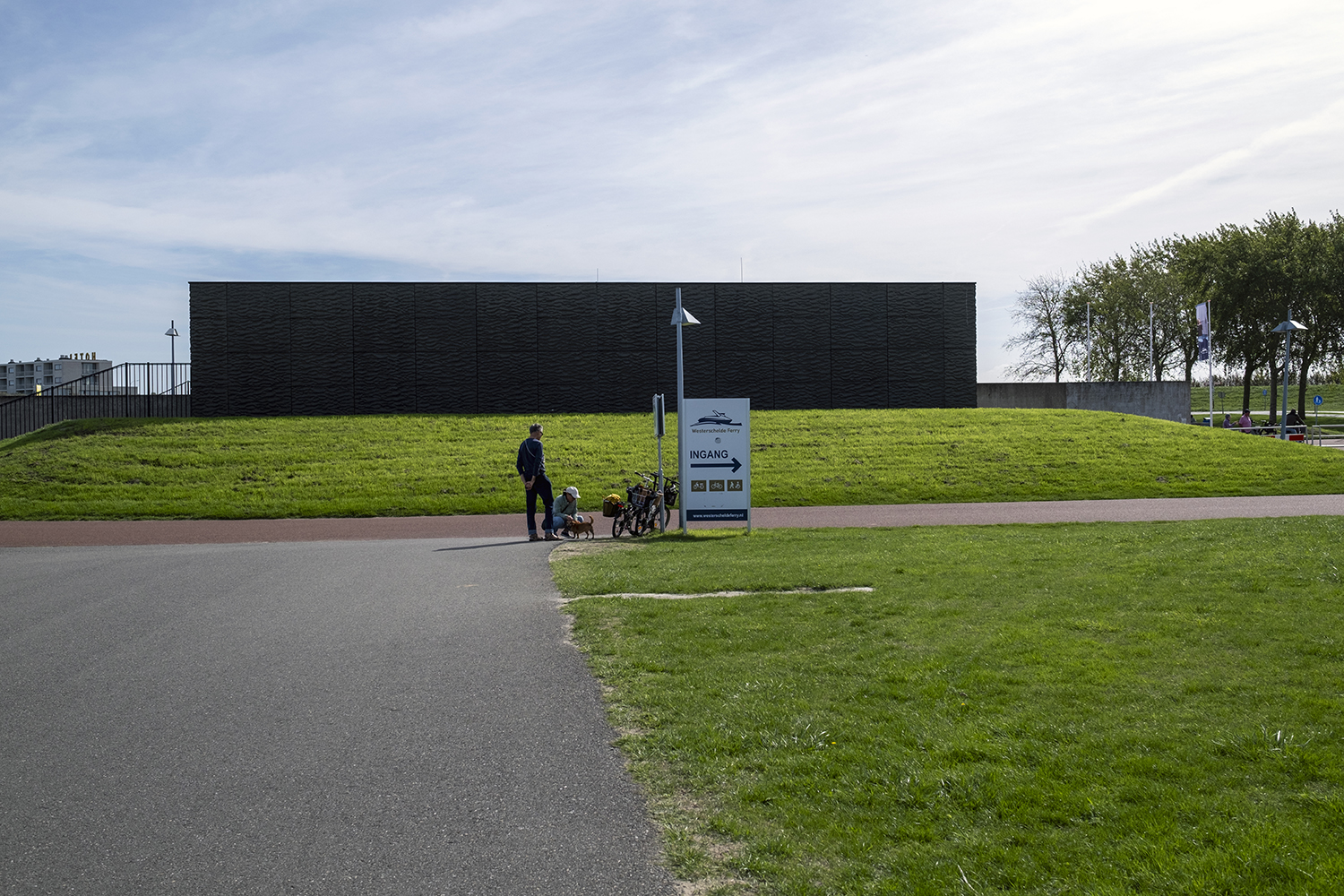
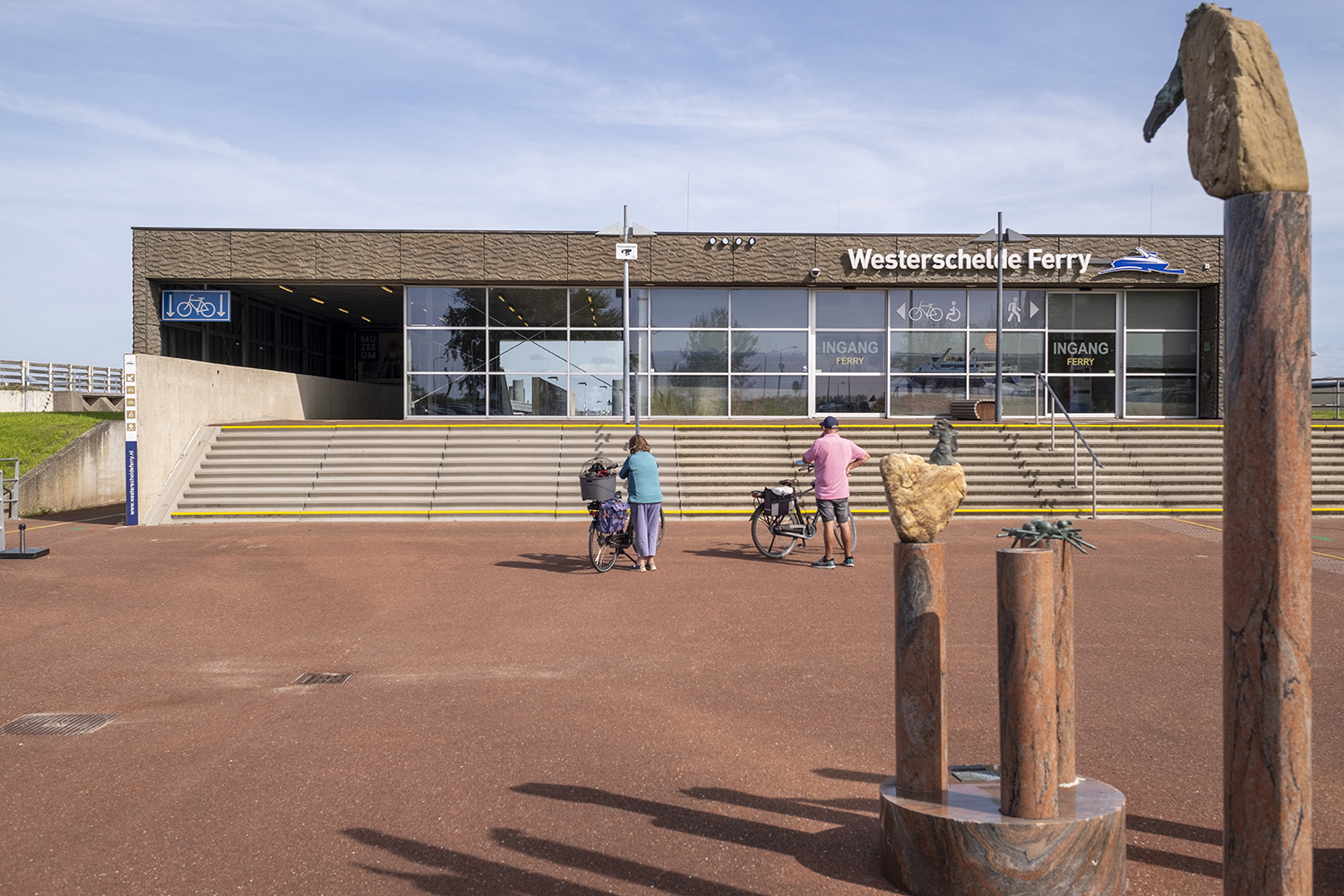
Op nog geen honderd meter afstand ligt het voet- en fietsveer dat de PSD-boten verving. Met een strakke, supermoderne terminal. Aan de overkant Vlissingen. Aan deze kant een stukje Zeeuws-Vlaamse geschiedenis.
Mooi hoe ze dit hebben weten te bewaren.
EN
When I’m home. Always looking for traces. I know the past never comes back, but sometimes a glimpse of it can briefly bring back a feeling from another time.
I hadn’t been back to the ferry terminal in Breskens, the harbour from which the PSD ferries used to depart for Vlissingen, across the Western Scheldt in the Netherlands. The PSD (Provinciale Stoombootdienst) was the public ferry service that once connected the two towns. And what do you know? The old ferry square is still there. Where people once queued after having their tickets stamped, you can now simply park for free.
Here, the past meets the present.
In the shadow of the old control tower, which has been preserved, there are now charging points for electric cars.
And even the double ferry landing is still there. I feel a lump in my throat. The terminal building, from which pedestrians and cyclists once walked up the ramp to board the ferry, is now home to a bar and snack bar. Bikes are available for hire, too. In the summer season. Now everything is closed. What a shame. I could have gone for a Dutch croquette sandwich.
The concrete ferry slip, the enormous wooden piles that cushioned the impact between steel and concrete. They creaked and groaned when the wind was strong and the ferry came in at an angle. It’s all still there. The wood endures. History.
Less than a hundred metres away stands the sleek, ultra-modern terminal for the foot and bicycle ferry that replaced the old PSD ferries. Across the water lies Vlissingen. On this side, a piece of Zeeuws-Vlaanderen’s history — the southwestern Dutch region bordering Belgium.
It’s good to see that they’ve managed to preserve all this.
IT
Quando sono a casa. Sempre alla ricerca di tracce. Lo so, il passato non torna mai, ma a volte basta scorgerne un frammento per ritrovare, anche solo per un attimo, una sensazione di un tempo.
Non ero più tornato al piazzale dei traghetti di Breskens, il porto da cui partivano i traghetti della PSD (Provinciale Stoombootdienst, il servizio pubblico di traghetti olandese) diretti a Vlissingen, sull’altra sponda della Schelda occidentale. E invece, guarda un po’: il piazzale è ancora lì. Dove un tempo si aspettava in fila, dopo che il biglietto era stato timbrato, oggi si può semplicemente parcheggiare gratis.
Qui il passato incontra il presente.
All’ombra della torre di controllo, rimasta al suo posto, ora ci sono le colonnine di ricarica per le auto elettriche.
E persino il doppio approdo dei traghetti è ancora lì. Mi viene un nodo alla gola. Nell’edificio del terminal, da cui un tempo pedoni e ciclisti salivano sulla passerella per imbarcarsi, oggi c’è un bar con snack bar. Si noleggiano anche biciclette. Durante l’alta stagione. Adesso è tutto chiuso. Peccato, mi sarebbe proprio piaciuto un panino con una crocchetta olandese.
La rampa d’imbarco in cemento, gli enormi pali di legno che facevano da ammortizzatori tra l’acciaio e il cemento. Cigolavano forte quando c’era vento e il traghetto entrava obliquamente nell’approdo. È ancora tutto lì. Il legno resiste. La storia.
A meno di cento metri si trova il moderno terminal del traghetto per pedoni e ciclisti che ha preso il posto delle vecchie navi della PSD. Linee essenziali, un terminal ultramoderno. Dall’altra parte, Vlissingen. Da questa parte, un pezzo di storia della Zeeuws-Vlaanderen, la regione dei Paesi Bassi al confine con il Belgio.
È bello che siano riusciti a conservare tutto questo.


Leave a Reply