
I’m color-blind. That’s one of the reasons I often switch to black and white in my photography. Color-blindness – my color-blindness – doesn’t mean I don’t see any colors. But the colors, especially in combination, lack contrast for me, so I end up seeing a rather dull and monotonous palette. And that makes it tricky when you want to understand whether the use of color in your photos is actually working.
That doesn’t mean I have anything against color photography. I can enjoy it, too. For a long time, I believed that if you wanted to tell a story through a photo, black and white was the way to go. A bit like writing, in a sense. Until I visited an exhibition by Oliviero Toscani at Palazzo Albergati in Bologna in 2022. Many of his photos are bold statements, and color often plays a crucial role in them.
So yes, color. I use it too. Because sometimes a photo just looks better in color than in black and white. Or because a color demands center stage, and there’s simply no way around it.
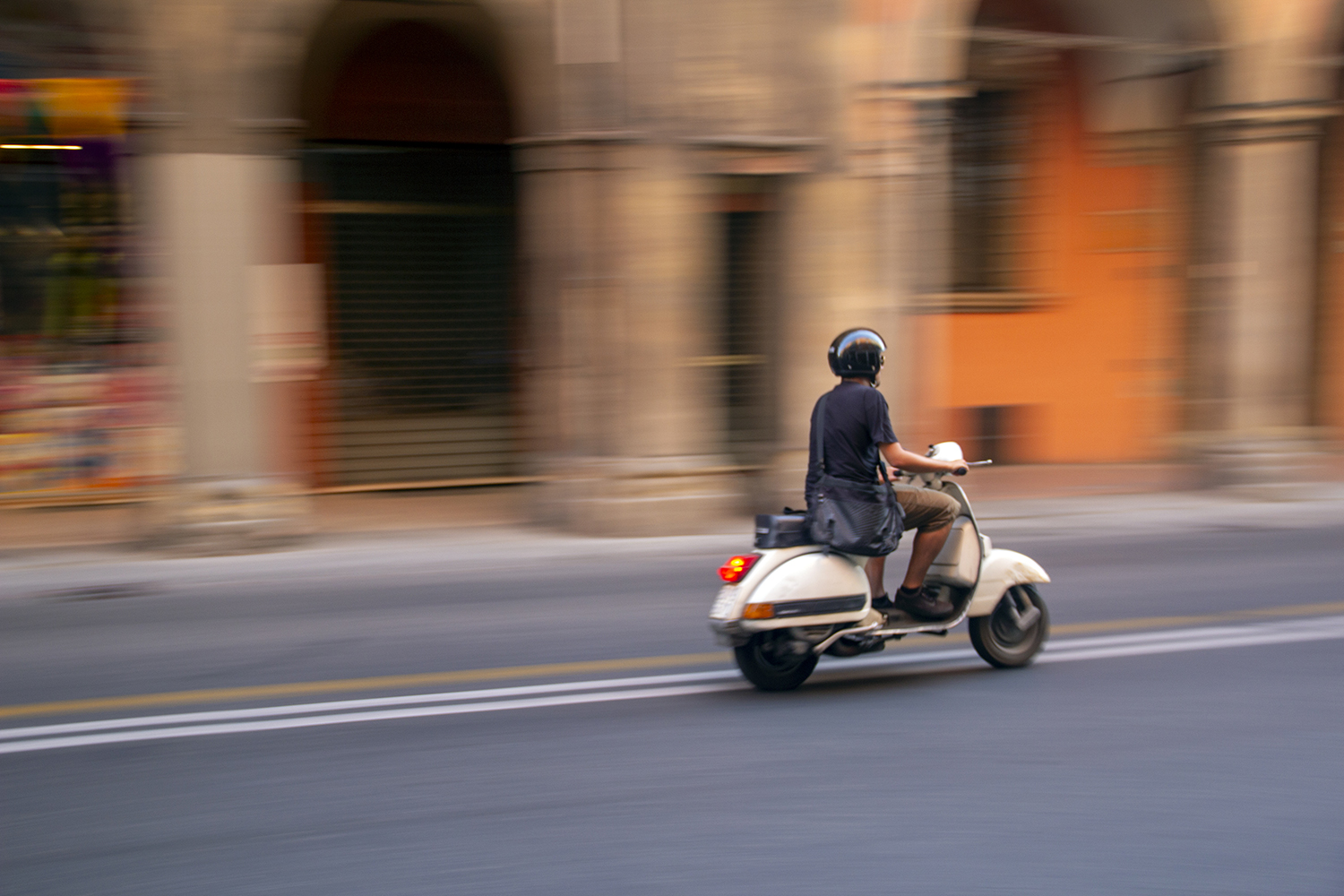
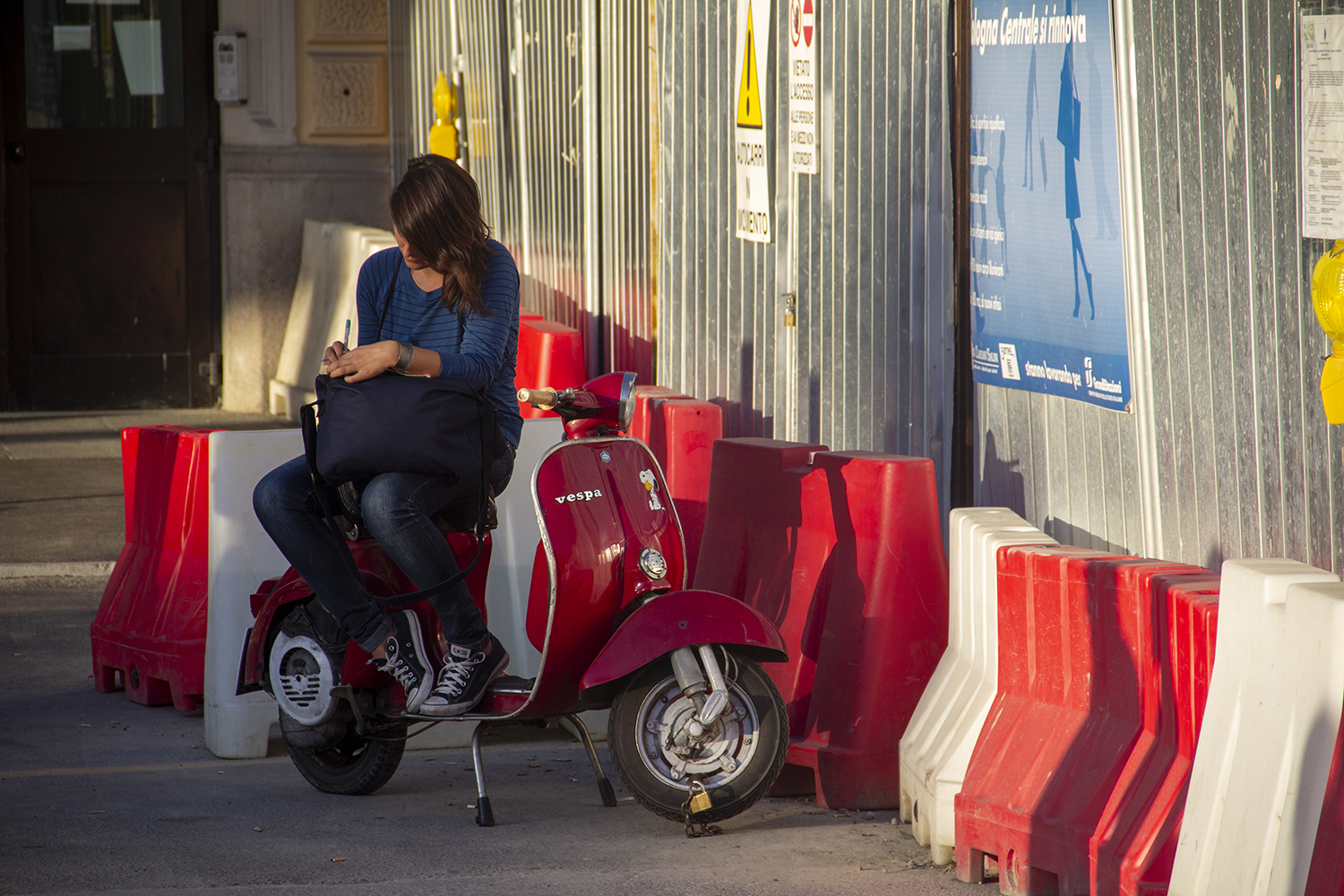
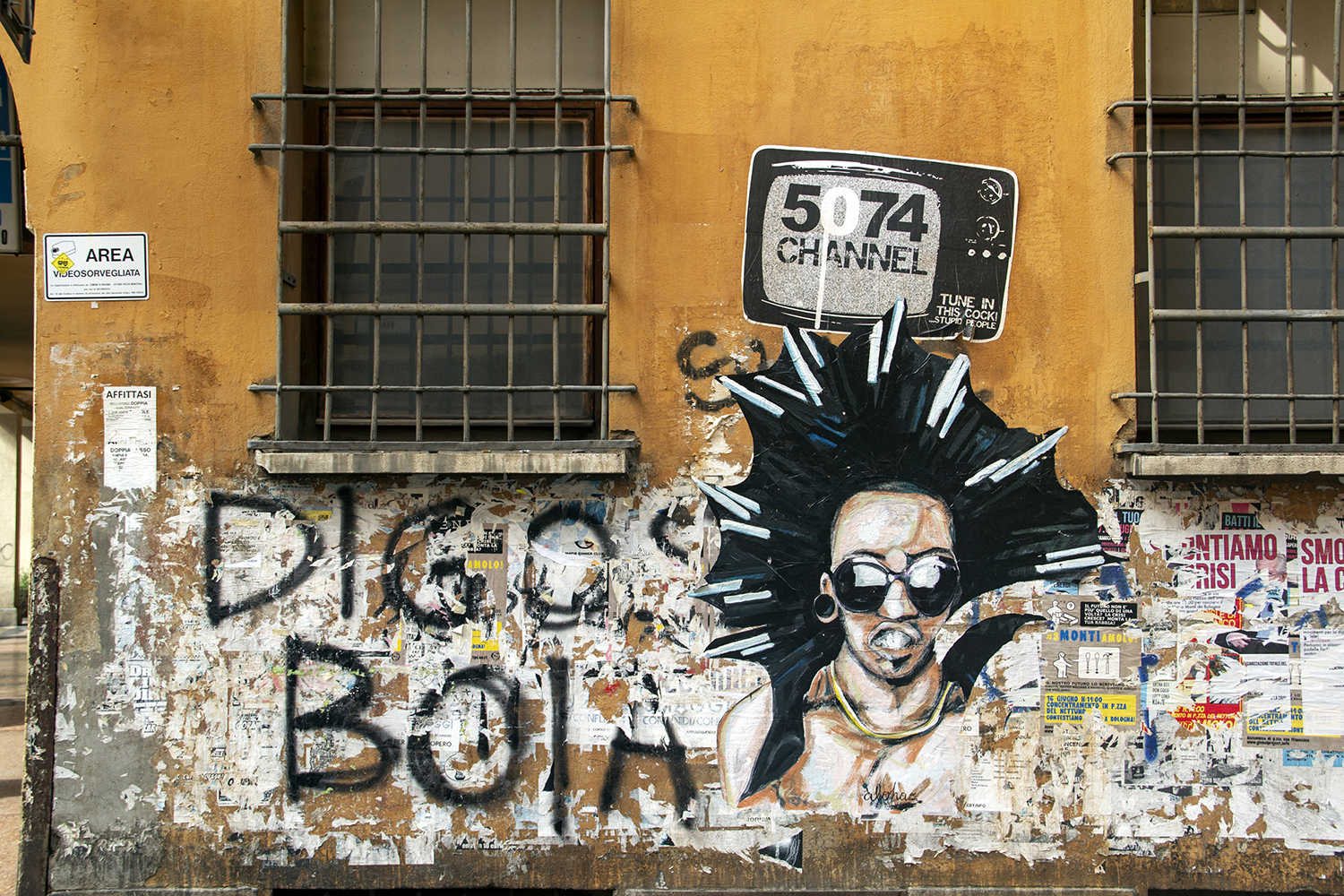
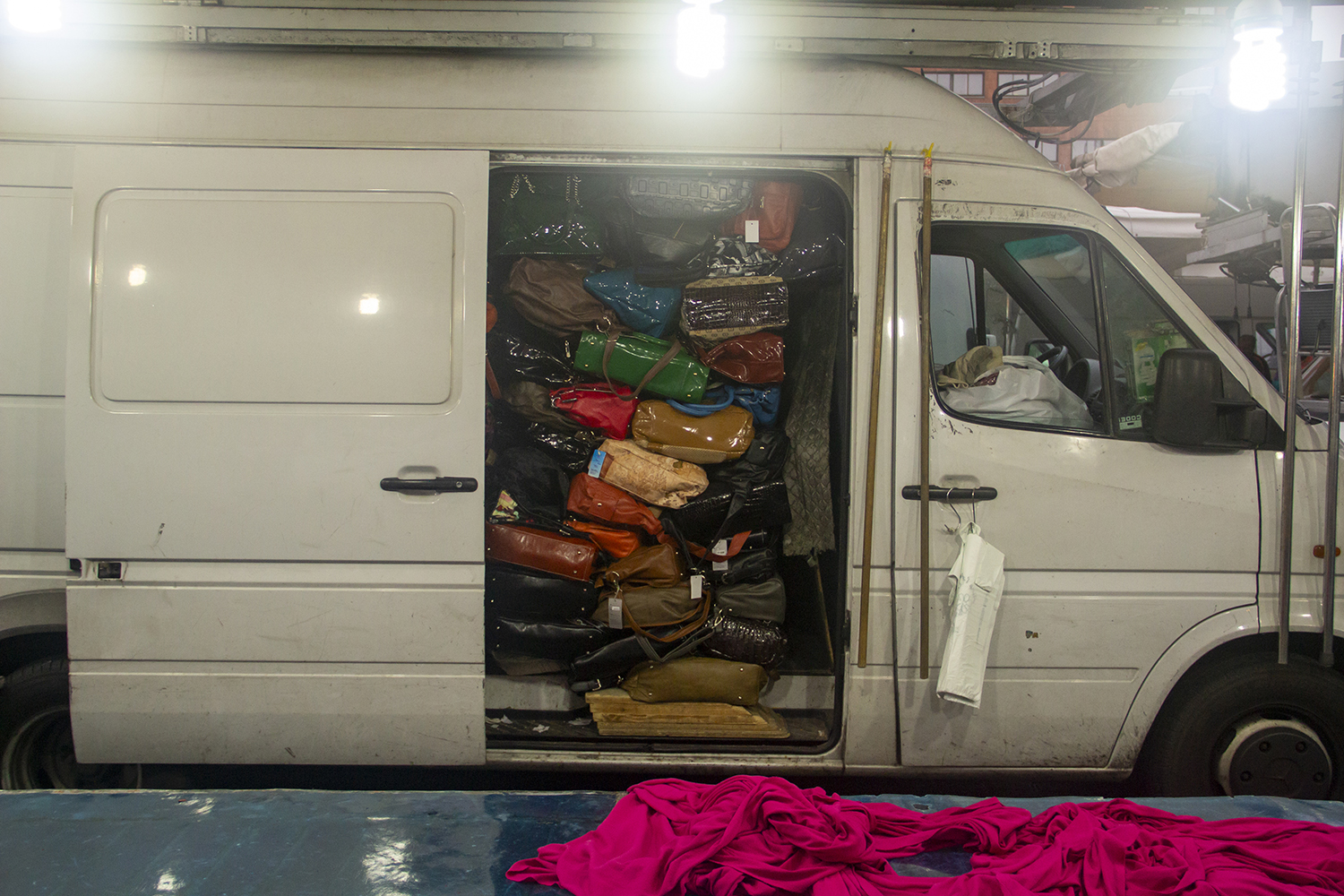
So let me take you back once more to Bologna in 2012. But this time, in color.
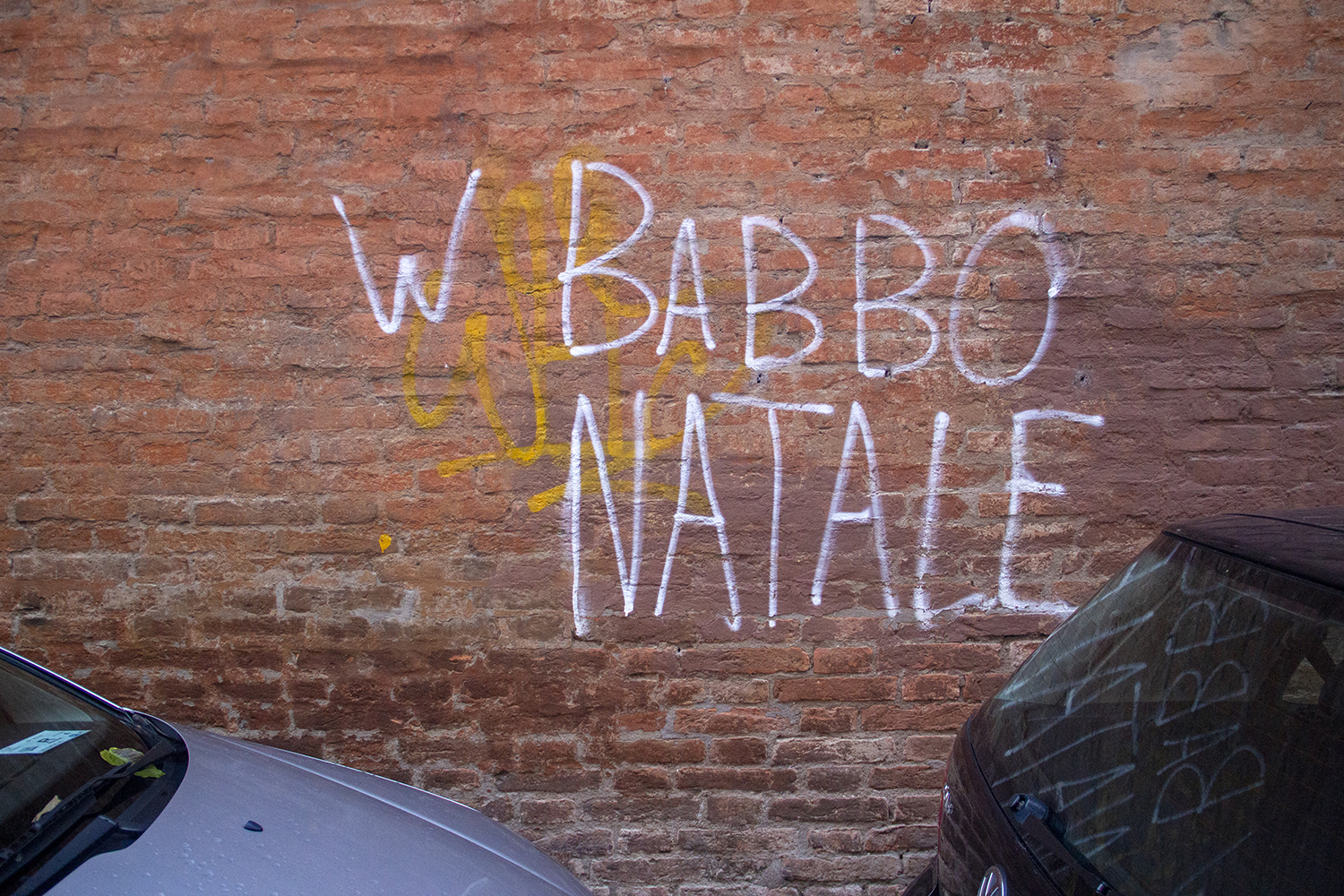
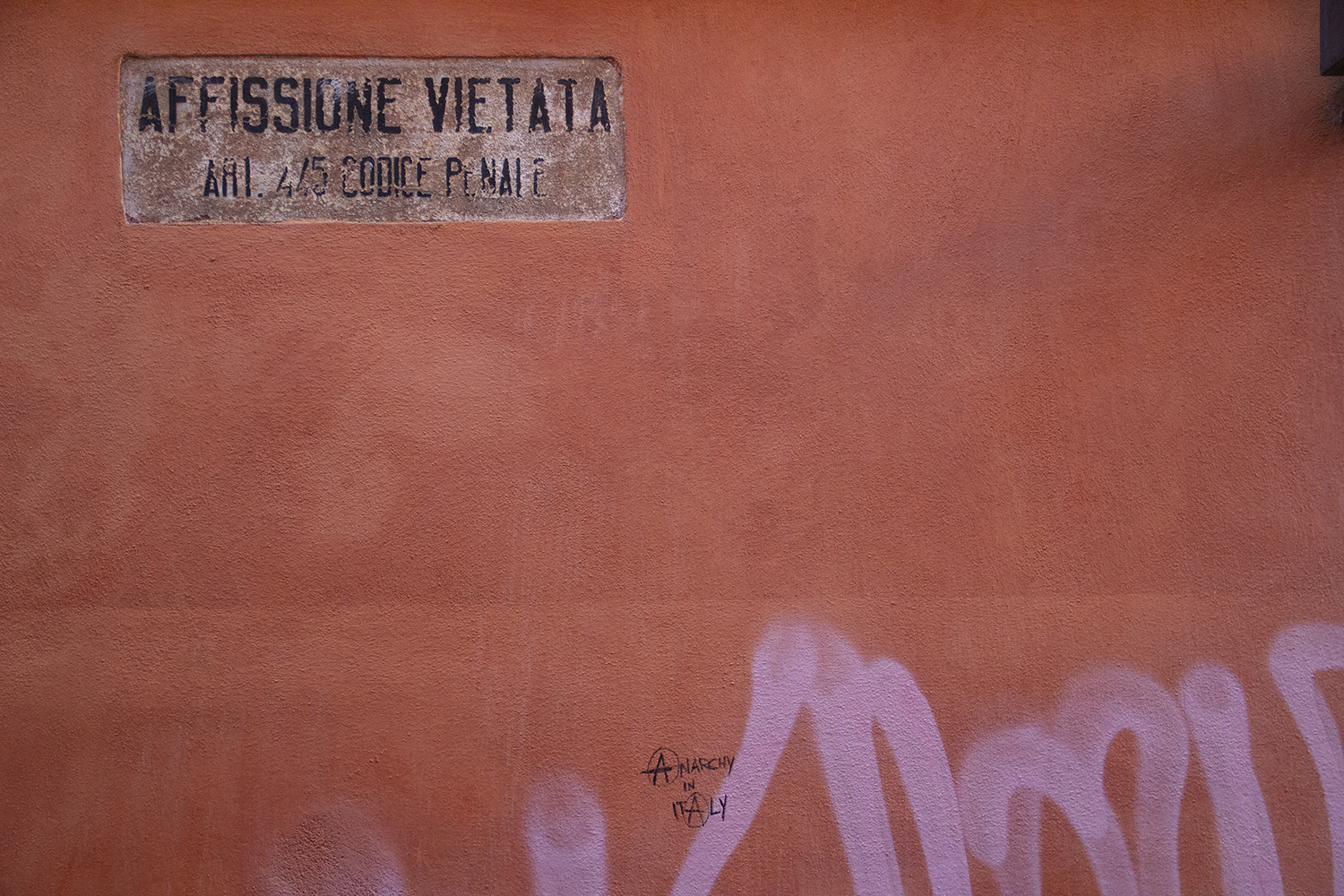
One of Bologna’s nicknames is “la rossa” – the red one. That partly refers to the city’s political history (post-war Bologna has long been a left-wing stronghold), but also to the red hues of its walls, medieval houses, and terracotta rooftops.
Sono daltonico. È una delle ragioni per cui passo spesso al bianco e nero nelle mie fotografie. Il daltonismo – il mio daltonismo – non significa che non vedo i colori. Ma i colori, soprattutto quando si combinano tra loro, mancano di contrasto ai miei occhi, e finisco per vedere una tavolozza piuttosto spenta e monotona. E questo rende difficile capire se l’uso del colore nelle foto è davvero efficace.
Non ho nulla contro la fotografia a colori, anzi. So anche apprezzarla. Per molto tempo ho pensato che, se volevi raccontare qualcosa con una foto, il modo migliore fosse in bianco e nero. Un po’ come scrivere, in un certo senso. Fino a quando, nel 2022, ho visitato una mostra di Oliviero Toscani a Palazzo Albergati, a Bologna. Molte delle sue foto sono vere ‘statement’, e il colore spesso gioca un ruolo fondamentale.
Colori, dunque. Li uso anch’io. Perché a volte una foto è semplicemente più bella a colori che in bianco e nero. O perché un colore si impone come protagonista, e per quanto tu ci provi, non puoi proprio ignorarlo.
Ti porto quindi di nuovo nella Bologna del 2012. Ma questa volta, a colori.
Uno dei soprannomi di Bologna è la rossa. Questo ha a che fare, da un lato, con la storia politica della città (nel dopoguerra Bologna è sempre stata una roccaforte della sinistra), ma anche con i suoi muri, le case medievali e i tetti in terracotta che tingono la città di rosso.
Ik ben kleurenblind. Dat is een van de redenen dat ik in mijn foto’s vaak overstap op zwart-wit. Kleurenblindheid – mijn kleurenblindheid – houdt niet in dat ik geen kleuren zie. Maar de kleuren in combinatie met elkaar missen elk contrast, zodat ik uiteindelijk een vrij flets en eentonig palet voor mijn ogen zie. En dat is lastig als je wilt begrijpen of het kleurgebruik in je foto’s juist is.
Ik heb geen aversie tegen kleurenfoto’s, hoor. En ik kan er ook van genieten. Lang heb ik gedacht dat je, als je iets met een foto wilde vertellen, je dat het best deed in zwart-wit. Een beetje zoals schrijven. Totdat ik in 2022 in Palazzo Albergati in Bologna een expositie van Oliviero Toscani bezocht. Veel van zijn foto’s, zijn een statement, en kleuren spelen daarbij vaak een belangrijke rol.
Kleuren dus, ook ik gebruik ze. Omdat een foto in kleur soms gewoon mooier is als in zwart-wit. Of omdat een kleur soms de hoofdrol opeist en je er met de beste wil van de wereld niet omheen kunt.
Ik neem je dus nog eens mee naar het Bologna van 2012. Maar deze keer in kleur. Een van de bijnamen van Bologna is “la rossa” – de rooie. Dat heeft enerzijds met het politieke verleden van de stad te maken (het naoorlogse Bologna is altijd een links bolwerk geweest), maar ook vanwege de muren, de middeleeuwse huizen en de terracotta daken die de stad rood kleuren.



 ron roelandt
Leave a comment